 Zeni
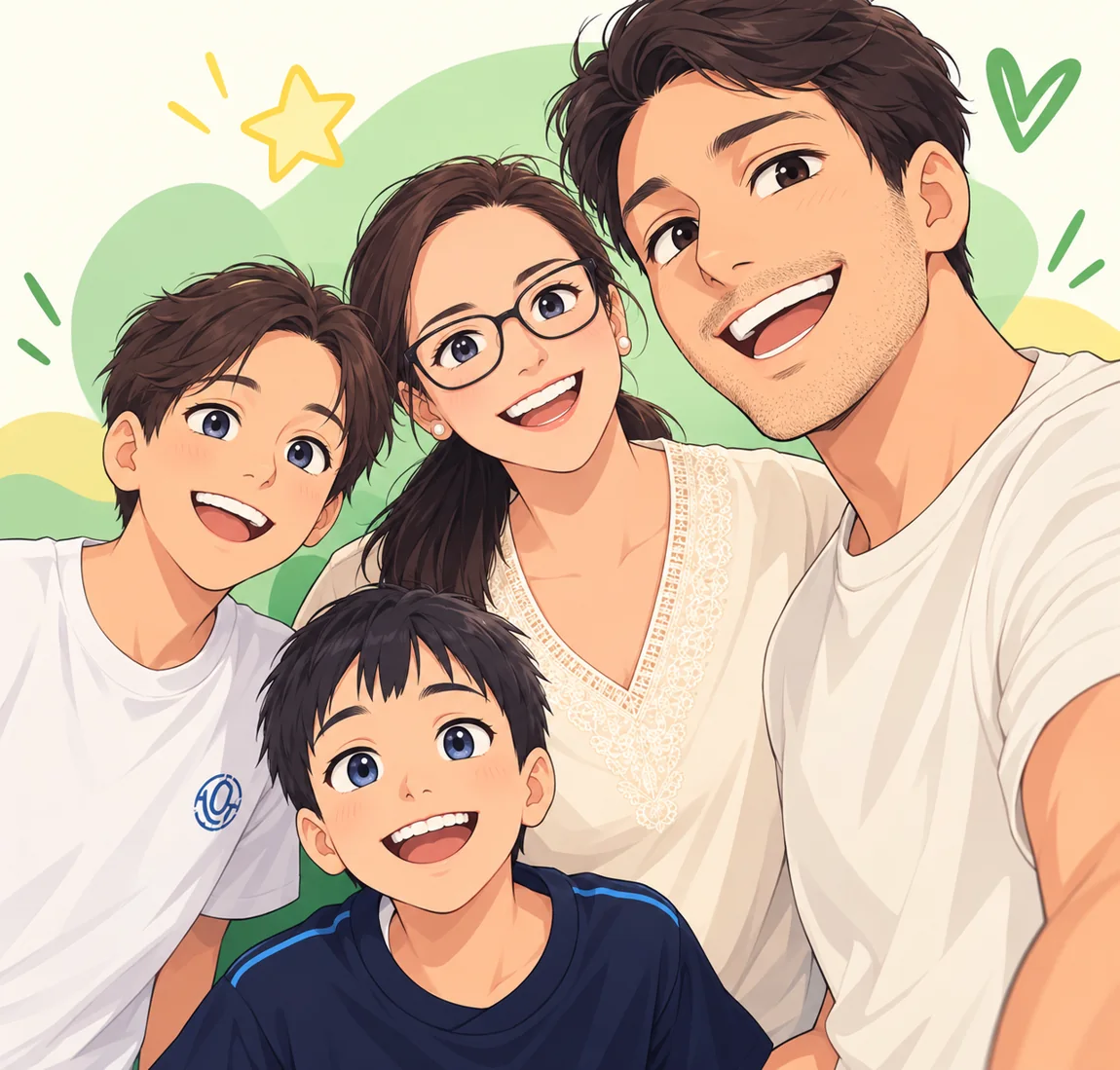
A child’s idea. A family project.
Pedro was just seven when he decided he wanted to get better at organizing his days.
He made an agreement with his mom: he would choose the most important tasks for that month and, by keeping his commitments, could earn an allowance.
There was just one problem: he needed somewhere to keep track of it all.
So he found a little space on my whiteboard.
The board was mine. The idea of using it to organize his routine was his.
Pedro began writing down the tasks that mattered to him, checking his commitments, and marking what he had completed.
It was simple. And it worked.
But after a while he noticed how much work it took to write and check everything every single day.
Even staying organized was becoming a chore.
So I jokingly suggested: “What if we made an app for this?”
Pedro wasn’t interested. He said no. And we left it there.
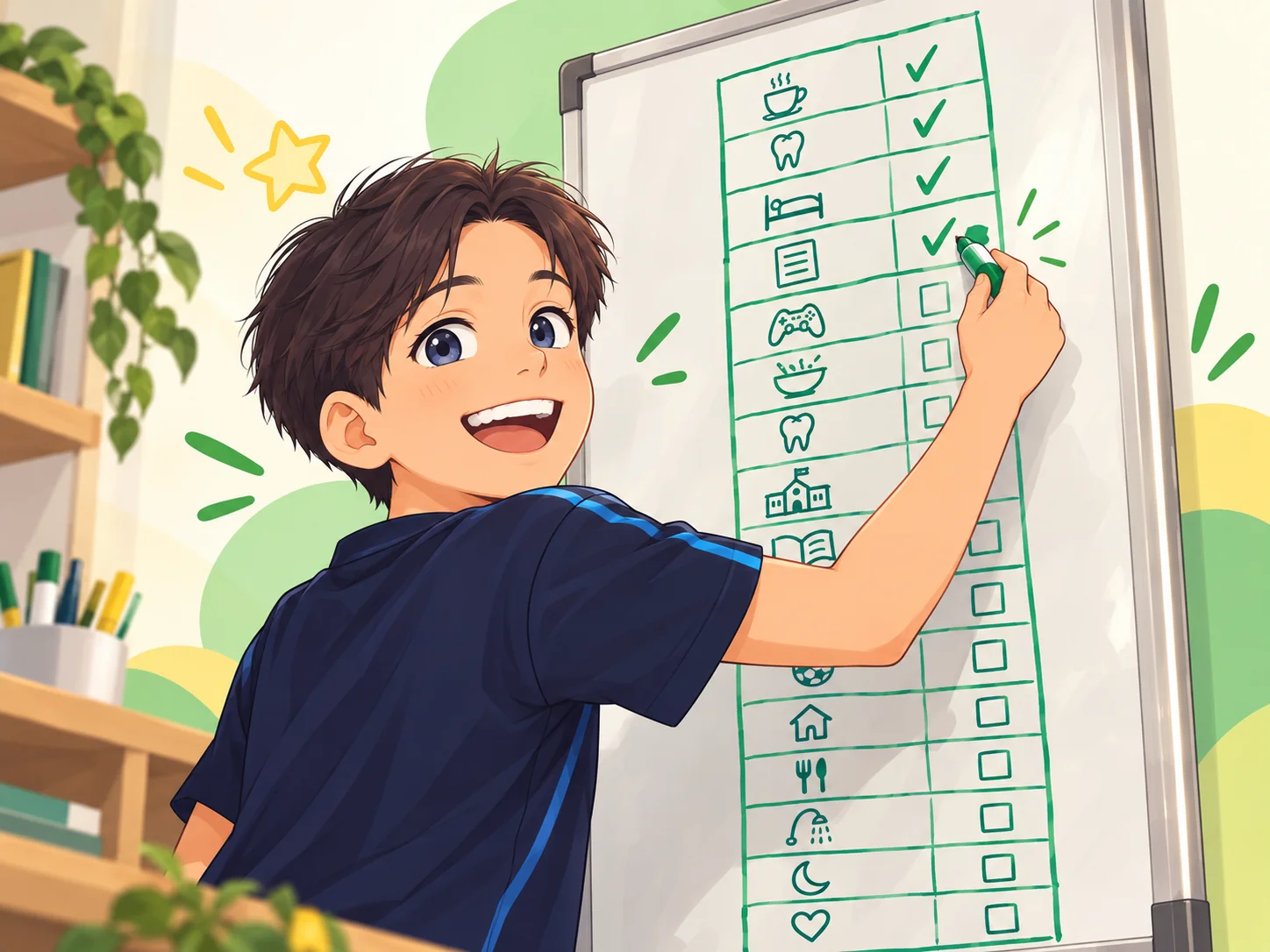
Until a few days later…
Pedro came back with a different answer.
He had thought about it and decided turning the board into an app might actually be a good idea.
That’s when everything began to change.
We invited Luiz, who was ten, to join us.
Both boys helped with early prototypes, shared opinions, tried out ideas, and helped decide what the app should feel like.
They chose the name Zeni — as well as its colors and logo design.
We didn’t just want to build something for children. We wanted to listen to the children helping create it.
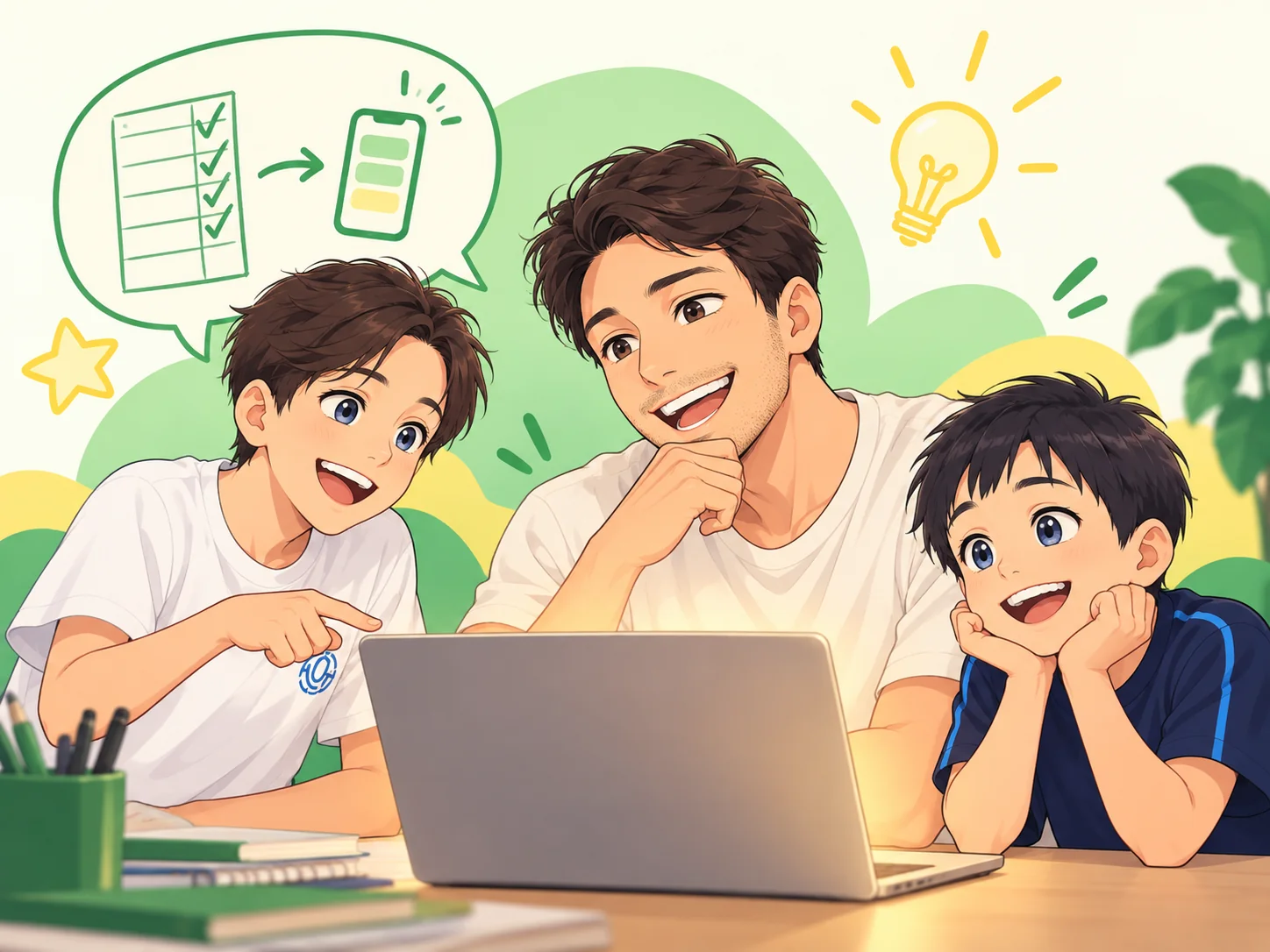
Every child has their own way. And that matters.
As Zeni took shape, another concern began guiding our decisions.
As parents, we know children do not all organize themselves, learn, or focus in the same way.
At home, we saw how crowded screens and long instructions can make simple activities feel harder than they need to be.
So from the earliest prototypes, we aimed for a calmer, clearer, more welcoming experience.
We wanted children to recognize their missions, understand what to do, and celebrate progress without endless instructions or visual clutter.
That thinking also inspired accessibility options such as adjustable text size, font choices, read-aloud features, and other preferences.
We didn’t want every child to have to adapt to the app. We wanted the app to respect different ways of participating in everyday life.
Zeni isn’t meant to replace a parent’s guidance. It’s a simple tool to use alongside it.
More life beyond the screen.
In our home, Pedro and Luiz have phones, but their use is supervised and limited.
We believe technology can be part of childhood without taking over childhood.
That’s why we distinguish entertainment screen time from tools that support organization and independence.
Zeni is one of those tools.
In our family, we don’t set a specific time limit for Zeni because the goal isn’t to keep the boys looking at a screen.
It’s to help them check missions, follow their progress, and return to what matters: studying, playing, spending time together, helping at home, and living their lives.
We didn’t build Zeni to keep children on their phones longer. We built it to help them make more of life away from the screen.
From a whiteboard to little wins.
Gradually, tasks became missions.
Points became stars.
And achievements became mimos — family-chosen rewards such as allowance, a gift, an outing, or another special treat.
What began with Pedro wanting to organize his days grew into something that could help other families too.
But perhaps the biggest achievement came before the app was even finished.
It was discovering how a playful conversation could become a shared project built with ideas, choices, and everyone’s participation.
The same idea, a new way to celebrate small wins.
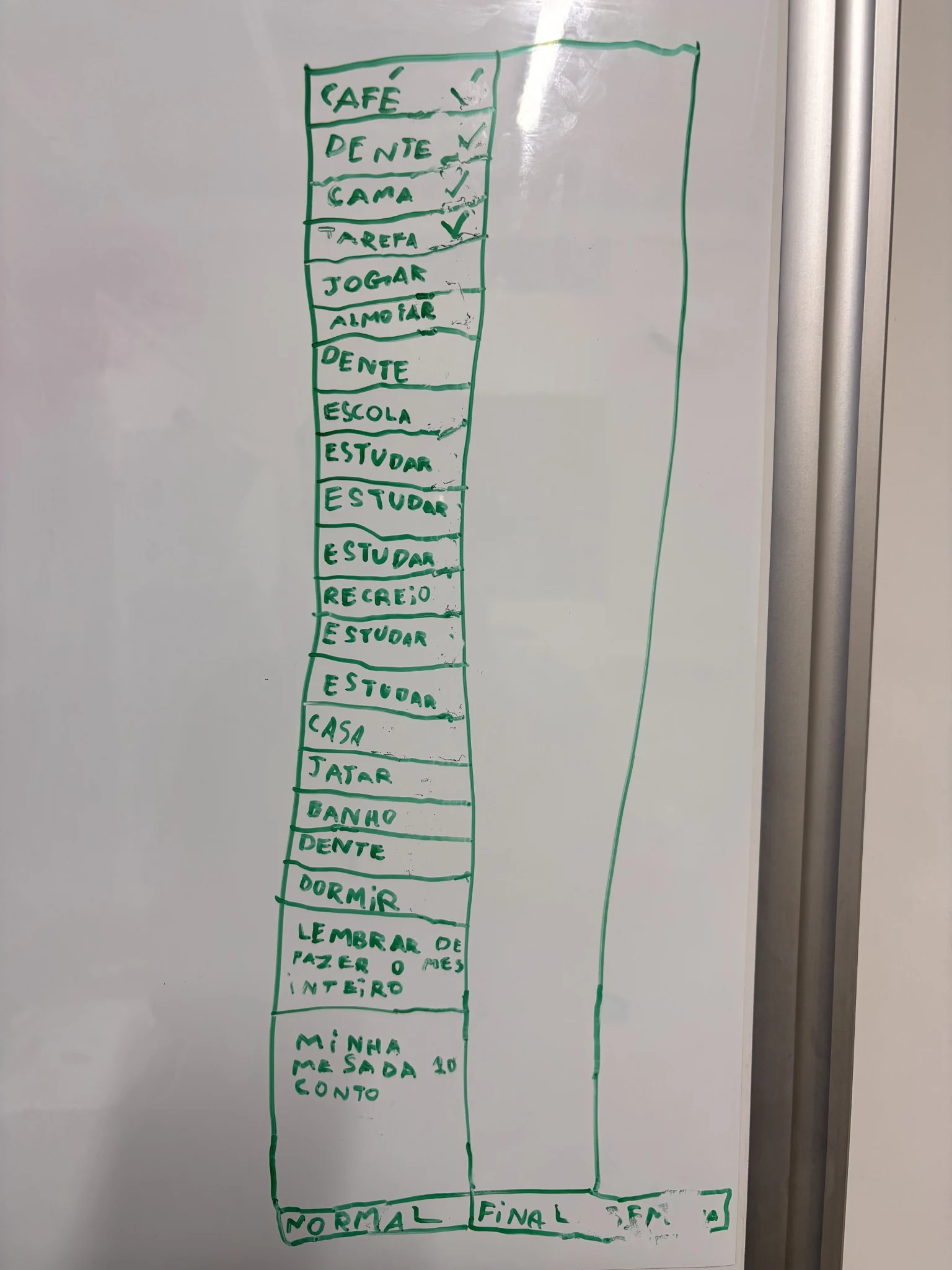
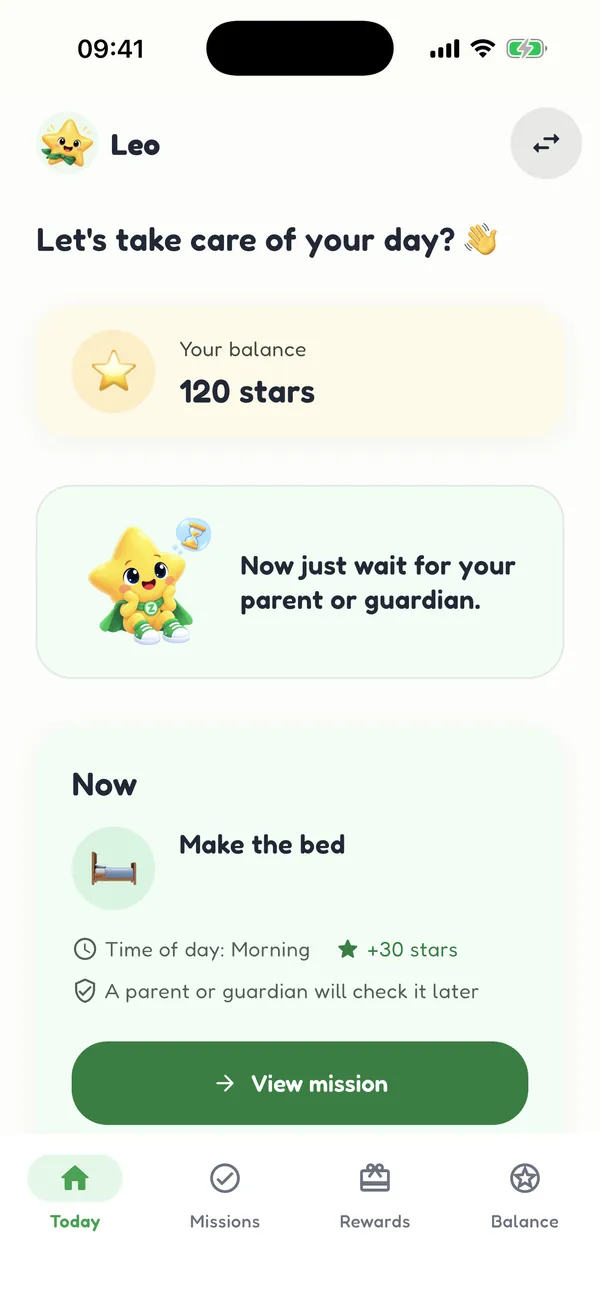
Chores became missions, points became stars, and rewards became family-chosen mimos.
Made by a family. For families.
Today, that first whiteboard remains part of our story.
It reminds us that meaningful ideas don’t have to start with grand plans.
Sometimes they begin with a little difficulty, a borrowed space on Dad’s whiteboard, a joke, and a child who returns a few days later to say:
“You know what? Maybe that is a good idea.”
That’s how Zeni began.
An app inspired by our family, shaped with children’s input, and designed with different needs in mind.
We don’t believe stars can replace conversations, hugs, or words of encouragement.
But we do believe recognizing effort, encouraging independence, and celebrating small wins can make family life a little lighter.
Zeni began with one child’s wish to get organized. It grew with two children’s ideas. Now we hope to share it with other families.